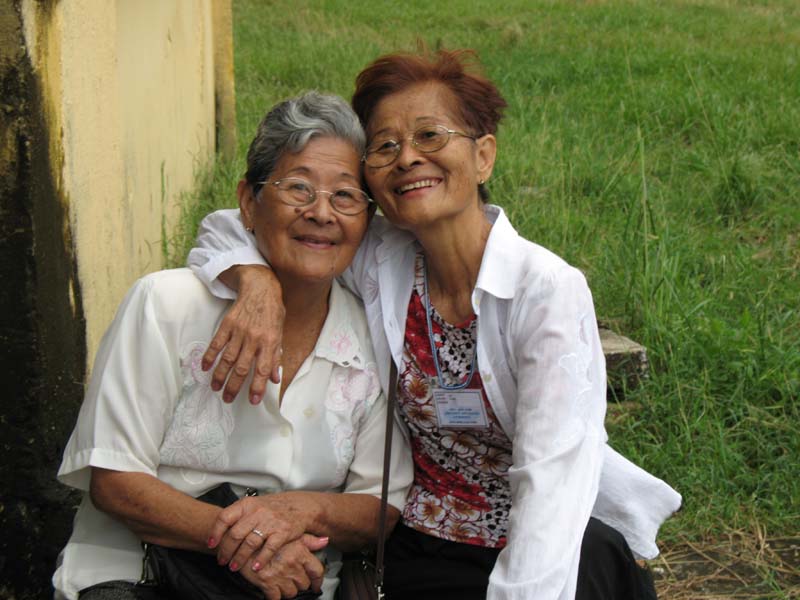
LINK: The Japanese Moai: A Family Model of Interest
From the article:
“In Okinawa, Japan, a place where the average life expectancy for women is around 90, the oldest in the world, people form a kind of social network called a moai — a group of five friends who offer social, logistic, emotional and even financial support for a lifetime …
“It’s a very powerful idea,” Mr. Buettner said. “Traditionally, their parents put them into moais when they are born, and they take a lifelong journey together.”
In a moai, the group benefits when things go well, such as by sharing a bountiful crop, and the group’s families support one another when a child gets sick or someone dies. They also appear to influence one another’s lifelong health behaviors …
“I argue that the most powerful thing you can do to add healthy years is to curate your immediate social network,” said Mr. Buettner, who advises people to focus on three to five real-world friends rather than distant Facebook friends. “In general you want friends with whom you can have a meaningful conversation,” he said. “You can call them on a bad day and they will care. Your group of friends are better than any drug or anti-aging supplement, and will do more for you than just about anything.”
*******
I am all about the concept of the moai. I’ve been trying to build something very similar this past year, but my model has still been centered on that of a family.
Family is a flawed model for what I’m looking for, though, because there’s an inherent power hierarchy espoused by it: one that generationally leans toward older parents; is gendered in favor of men; etc. I’m also not a fan of the implication of mandatory obligation that families project, that – whether you like it or not – you’re bound to this group of people regardless of how you are treated or if it is capable of inspiring any degree of joy or security for you.
There’s just so much less agency afforded any person in a family, you know?
The moai seems more egalitarian: a network of peers that commit to not only be the primary helping hand in a crisis, but to also be the group you have fun and adventures with.
It feels like something more fully rounded to the human experience, and it is completely voluntary. The possibility of any single person’s departure should be accountability enough for any single member not to act in bad faith. It should dis-incentivize its members to be abusive or negligent in dealings with each other and to think more in terms of a collective understanding of the implications of their actions.
That’s something I can get behind!
 Dusty Bookshelves